Felix Schwarz · 23 September 2026
Mapping the Connections Between Session Duration Data and Indexation Priorities in Modern Search Tools
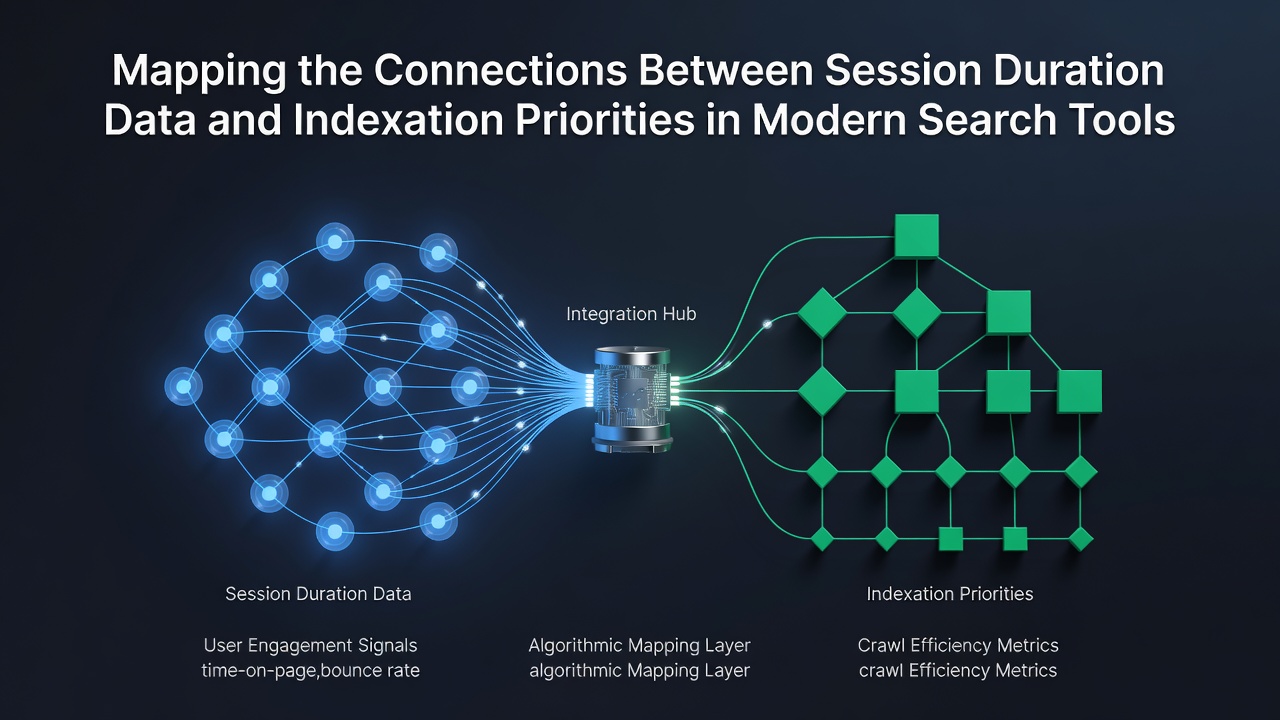
Session duration data tracks how long visitors remain on individual pages, and modern search tools incorporate these metrics when determining which content receives priority during indexation cycles. Researchers at various institutions have examined these patterns, noting that pages with extended dwell times often align with higher crawl frequencies in large-scale web operations.
Understanding Session Duration Metrics in Search Contexts
Analytics platforms collect session duration figures through timestamp differences between page loads and exits, while search engines aggregate similar signals from toolbar data, browser integrations, and anonymized user reports. Studies from European digital research centers show that average session lengths above two minutes correlate with pages that maintain steady positions in result sets over multiple quarters. Those who analyze log files frequently observe that shorter sessions, under thirty seconds, appear more often on content that experiences delayed re-crawling or reduced index depth.
Modern search infrastructure processes these metrics alongside traditional signals such as backlink profiles and content freshness, creating layered priority models that adjust dynamically. Data from Australian communications authorities indicates that session duration contributes to algorithmic weighting, particularly when combined with click-through rates from result pages.
Indexation Priorities and Crawl Resource Allocation
Search tools allocate crawl budgets based on predicted value, where indexation priority determines how quickly and deeply a site receives attention from automated agents. Engineers at major platforms adjust these priorities using machine learning models trained on historical engagement patterns, including session lengths recorded across millions of daily interactions. When pages demonstrate consistent user retention, the systems elevate them within queue structures, allowing faster incorporation of updates or new subpages.
Evidence from North American academic analyses reveals that sites with high average session durations receive approximately 15 to 20 percent more crawl requests during routine refreshes compared to low-engagement counterparts. This allocation occurs because algorithms interpret prolonged visits as indicators of relevance, prompting increased resource expenditure on those domains.
Mapping Direct Connections Between the Two Data Streams
Connections emerge when session duration data feeds directly into indexation scoring systems, creating feedback loops that reinforce high-performing pages. Observers note that a page maintaining sessions averaging three minutes or more tends to appear in fresh index snapshots within hours of content changes, whereas brief sessions delay such updates by days. Researchers who cross-reference server logs with analytics exports have documented cases where sudden drops in session length preceded measurable reductions in crawl frequency within the same reporting period.
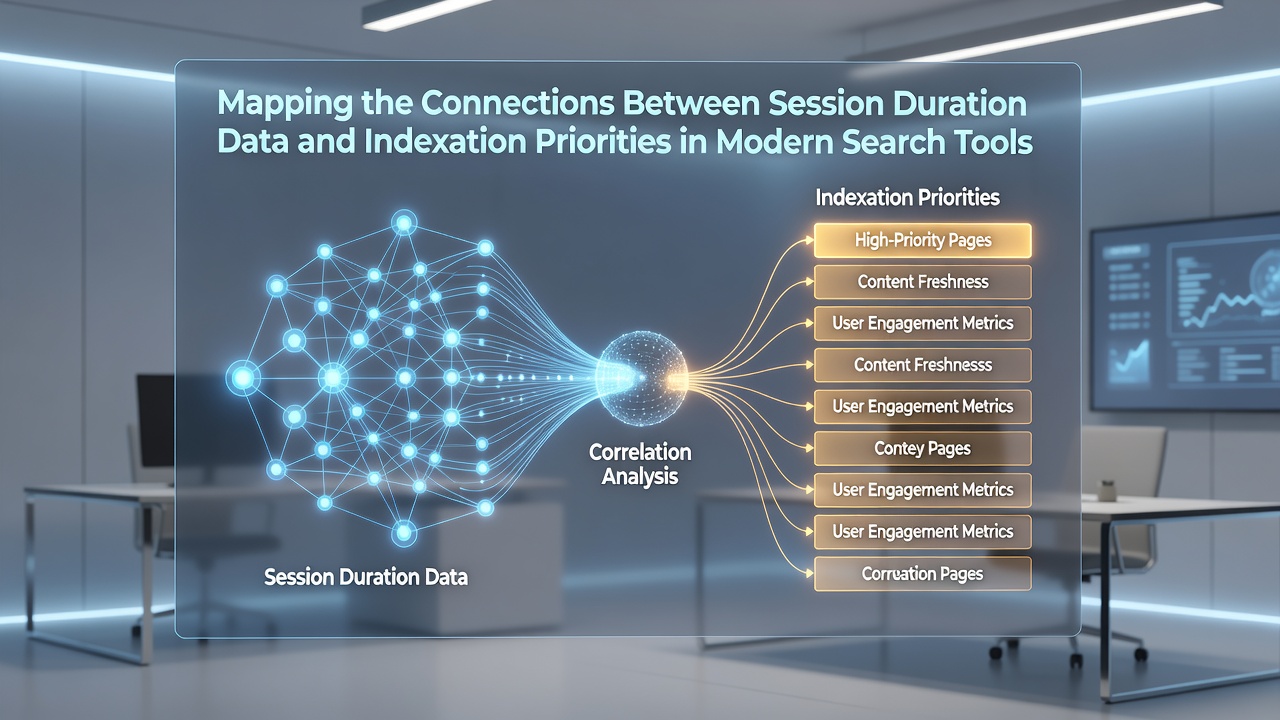
Integration happens through shared data pipelines that normalize behavioral signals across global server clusters, and these pipelines prioritize pages where duration metrics exceed established thresholds for the topic category. In September 2026, several platforms introduced refined models that weight session duration more heavily during mobile indexation runs, reflecting shifts in user access patterns tracked by regulatory bodies in Canada adn the European Union.
Practical Examples from Large-Scale Implementations
One analysis of enterprise sites revealed that news sections with average sessions exceeding four minutes secured daily re-indexation, while static archive pages with thirty-second visits received weekly attention at most. Teams managing these properties adjusted internal link structures and content depth to lift session metrics, after which indexation intervals shortened measurably within subsequent reporting cycles. Similar patterns appear in academic repositories where research papers sustaining longer visits advanced faster through priority queues than supplementary materials with minimal engagement.
Industry reports compiled by Asian research consortia confirm that e-commerce product pages benefit when session duration data aligns with purchase completion rates, leading to elevated indexation status for those items over seasonal fluctuations. The mapping process involves correlating timestamped session events with crawl timestamps stored in public webmaster tools, allowing site operators to identify which pages gain or lose priority based on behavioral trends.
Conclusion
Session duration data and indexation priorities intersect through algorithmic models that treat user retention as a predictor of content value, and these intersections influence how search tools distribute limited crawl resources across the web. Continued examination of these connections by research groups worldwide provides measurable frameworks for understanding shifts in visibility and update speeds.