Felix Schwarz · 7 October 2026
Tracing the Ripple Effects of Internal Link Architecture on Authority Flow During Iterative Site Expansions Using Diagnostic Platforms
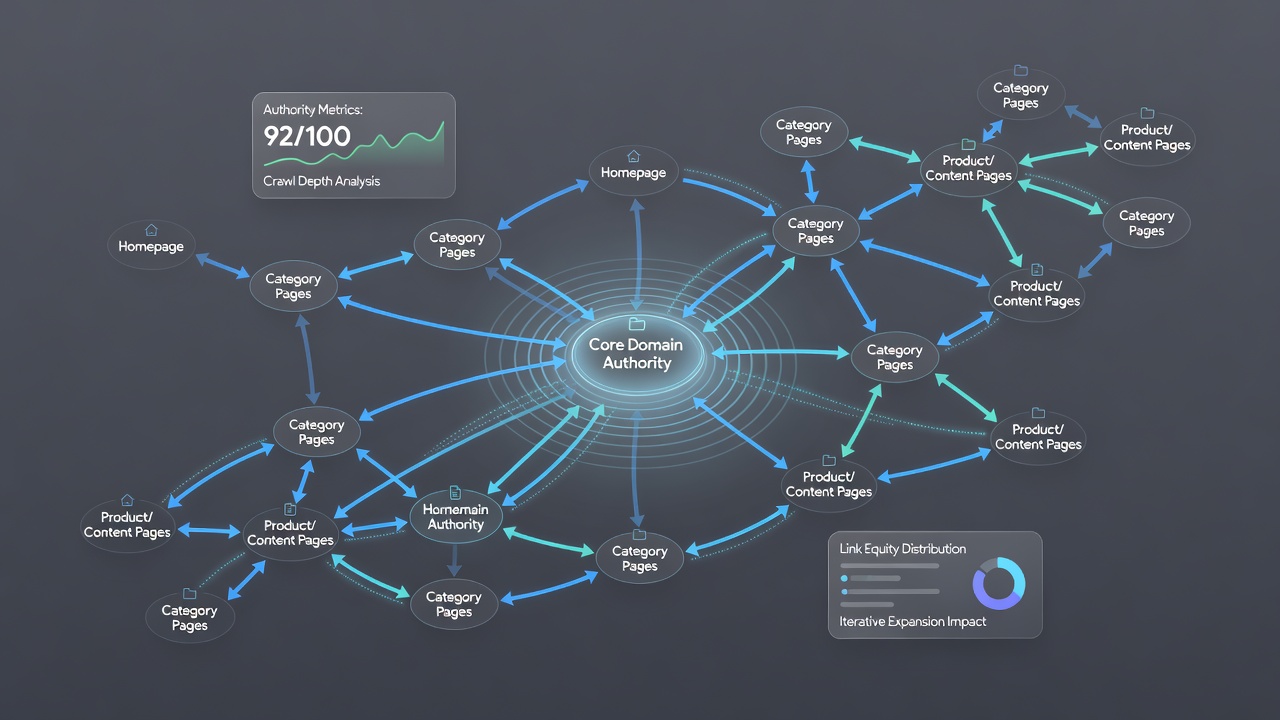
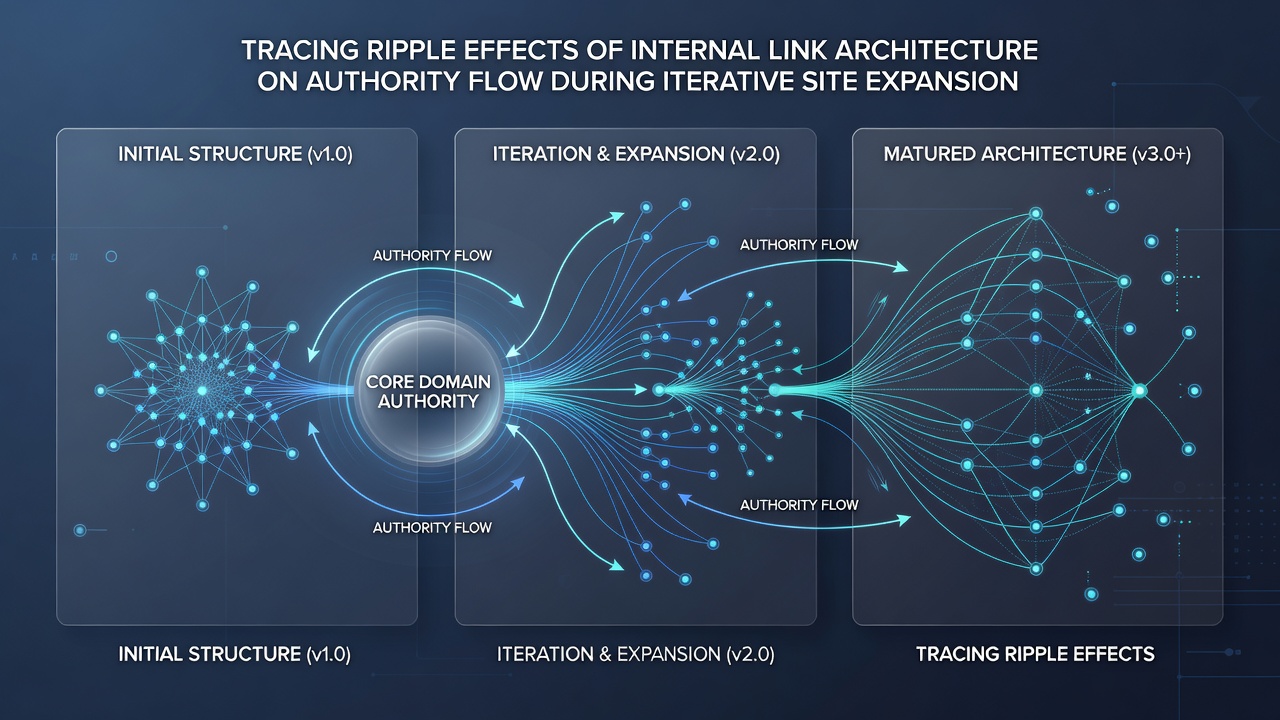
Internal link architecture directs how authority moves between pages on a site, and this process becomes more complex when organizations pursue iterative expansions that add new sections, categories, and content clusters over multiple phases. Diagnostic platforms capture these movements by crawling site structures, measuring link equity distribution, and highlighting shifts in crawl paths that emerge after each round of growth.
Core Mechanics of Authority Flow in Expanding Sites
Authority flows through internal links in patterns that resemble a network graph where each connection passes signals from one page to another, and researchers note that the strength of these signals depends on factors such as link placement, anchor text relevance, and the overall depth of the linking structure. During iterative expansions, new pages often receive links from established sections, which can redirect authority toward fresh content while older pages may experience diluted signals if their outbound links increase without corresponding inbound adjustments.
Data from large-scale site audits shows that sites adding more than fifty new pages per quarter frequently encounter changes in how authority reaches deep-level content, especially when navigation menus and footer links remain static. Diagnostic platforms record these patterns by comparing pre-expansion and post-expansion crawl data, revealing clusters where authority concentrates around hub pages that accumulate multiple inbound links from newly created sections.
Role of Diagnostic Platforms in Monitoring Changes
Platforms such as Screaming Frog, Sitebulb, and Ahrefs Site Audit track internal link counts, orphan pages, and authority metrics by simulating search engine crawlers that follow every link path available on a domain. These tools generate reports that map authority distribution across URL hierarchies, and analysts use the outputs to identify pages that lose visibility because new expansions have altered the shortest crawl paths leading to them.
In October 2026, several diagnostic suites introduced updated modules that calculate real-time authority flow estimates based on live crawl graphs, allowing teams to simulate the impact of proposed link additions before deployment. The resulting visualizations display how authority moves when a new category page receives links from three different top-level sections versus when it receives links from only one parent page.
Observed Patterns Across Multiple Expansion Cycles
One documented case involved an e-commerce domain that expanded its product catalog by 180 pages across four iterative releases, and platform data revealed that authority reaching product detail pages dropped by an average of 22 percent after the third release because new category pages captured a larger share of internal links. Adjustments made in the fourth release, which included adding contextual links from blog content to older product pages, restored much of the previous flow according to follow-up audits.
Another instance tracked a media site that introduced regional subdirectories during successive updates, and the diagnostic reports indicated that authority concentrated in the main language section while the new subdirectories remained under-linked for several weeks. Once cross-directory links were added in a deliberate pattern, the platforms recorded improved crawl frequency for the newer content within fourteen days.
Interactions Between Link Architecture and Expansion Timing
Timing plays a measurable role because authority signals require multiple crawl cycles to stabilize after structural changes, and platforms that log historical data allow observers to correlate specific link additions with subsequent shifts in indexation rates. When expansions occur without corresponding updates to internal navigation, certain pages can become harder to reach, which reduces the frequency with which search engine crawlers assign fresh authority values to them.
Studies conducted by academic teams at institutions including the University of Melbourne have examined graph-based models of internal linking, and their findings indicate that balanced link distribution across depth levels correlates with more consistent authority flow during periods of rapid content addition. Diagnostic outputs help replicate these balanced structures by flagging over-linked hubs and under-linked leaf pages in real time.
Conclusion
Iterative site expansions alter internal link architecture in ways that directly influence authority distribution, and diagnostic platforms provide the measurement capabilities needed to track these movements across successive growth phases. By examining crawl graphs, link equity metrics, and historical comparisons, analysts obtain objective records of how authority travels through expanding site structures without relying on assumptions about individual page performance.